This post is dedicated to the wild, tangled, complicated, and beautiful branches of my family tree on my dad’s side of the family. I will be taking a trip to Mississippi soon to trace that family tree even more.
I want to know more about where they lived. Where they worked. What they survived. Who they loved. And what they carried forward; whether they meant to or not.
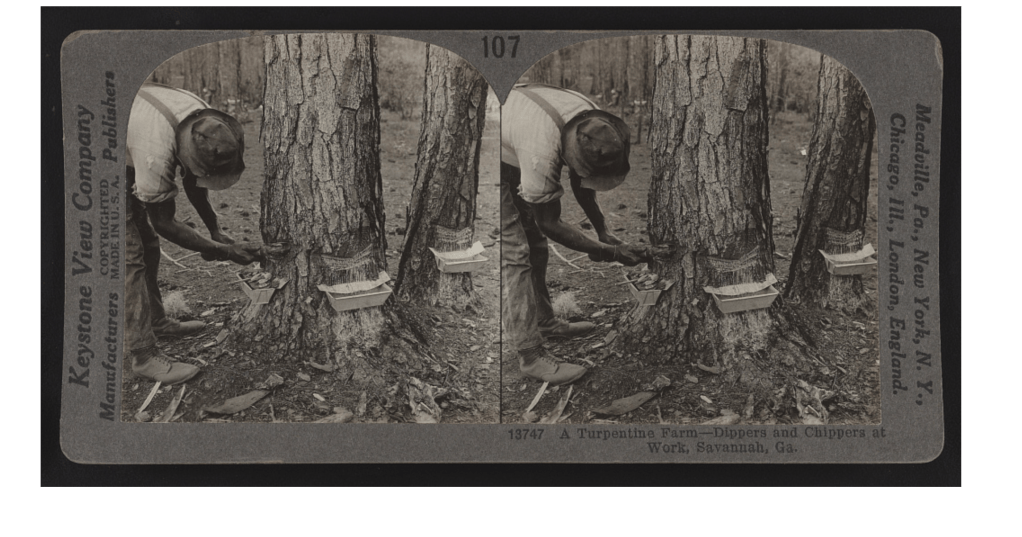
Because sometimes family history isn’t found in polished photographs or neatly written stories. Sometimes it’s buried in census records, old letters, forgotten names, turpentine camps, difficult memories, and stories that took generations to finally surface.
In the 1930 U.S. Census, Pearl River County, Mississippi, Beat 5, there on lines 69 -74, are my great-grandpa William Smith, my great-grandma Teona, my great-uncles Silva (my name is Sylvia), Thomas and Joseph and my grandma, my daddy’s mom, Annie Bell.
When you look even closer at those census lines, the deepest heartbreak (to me) isn’t just the work, it’s who wasn’t there. There are very few children listed in these households and some children are listed as “stepchildren.”
The toxic chemical fumes of the boiling resin vats, the contaminated camp water, and the complete lack of medical infrastructure took a devastating toll. Pregnant women and infants faced an incredibly high infant mortality rate, leaving families starkly small. To survive, the community had to rely on a network of mutual care.
In an environment where an industrial accident or disease could kill a parent, widows and widowers married quickly out of sheer economic necessity. Men needed a woman/wife to run the brutal domestic chore of washing resin from clothes, boiling sap cups etc., and women needed a male worker/husband tied to a company paycheck to keep a roof over their heads.
Continue reading “Pine Trees, Turpentine, History and My Family Tree…”
